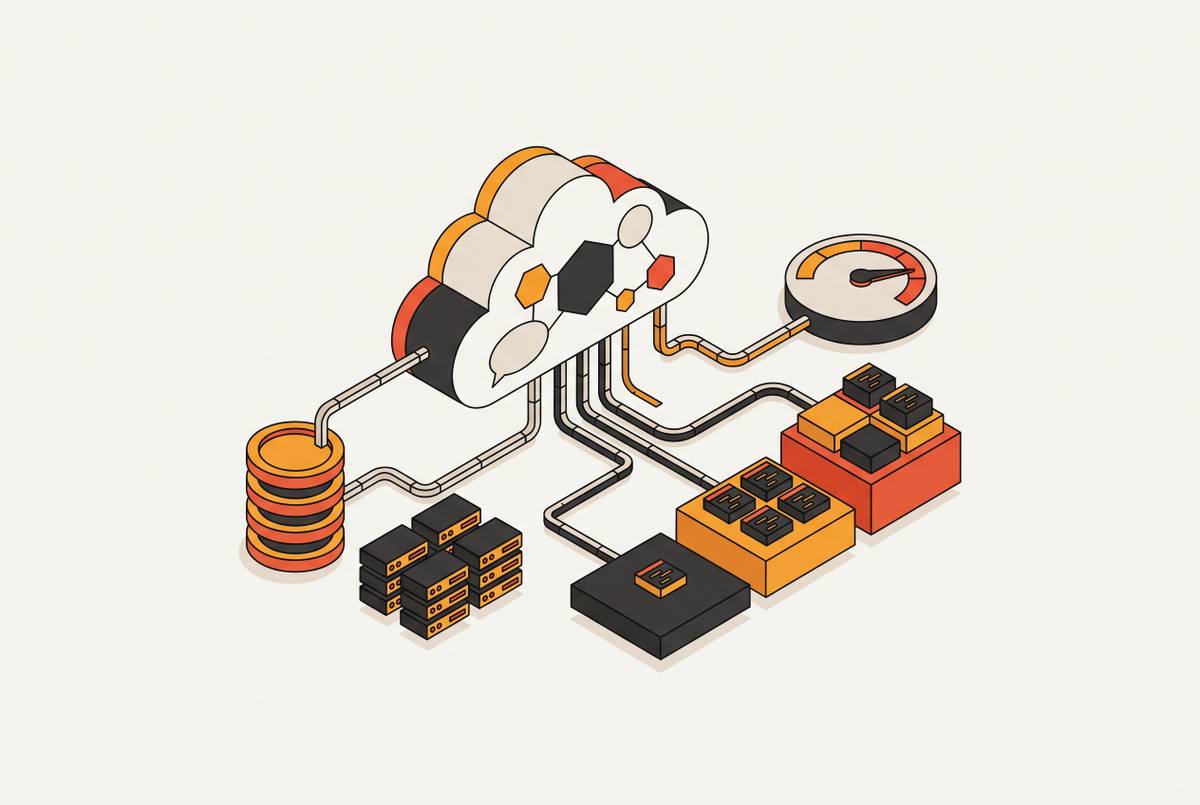
The Real Infrastructure Bill Engineering Teams Pay When They Self-Host Agentic Coding Runtimes
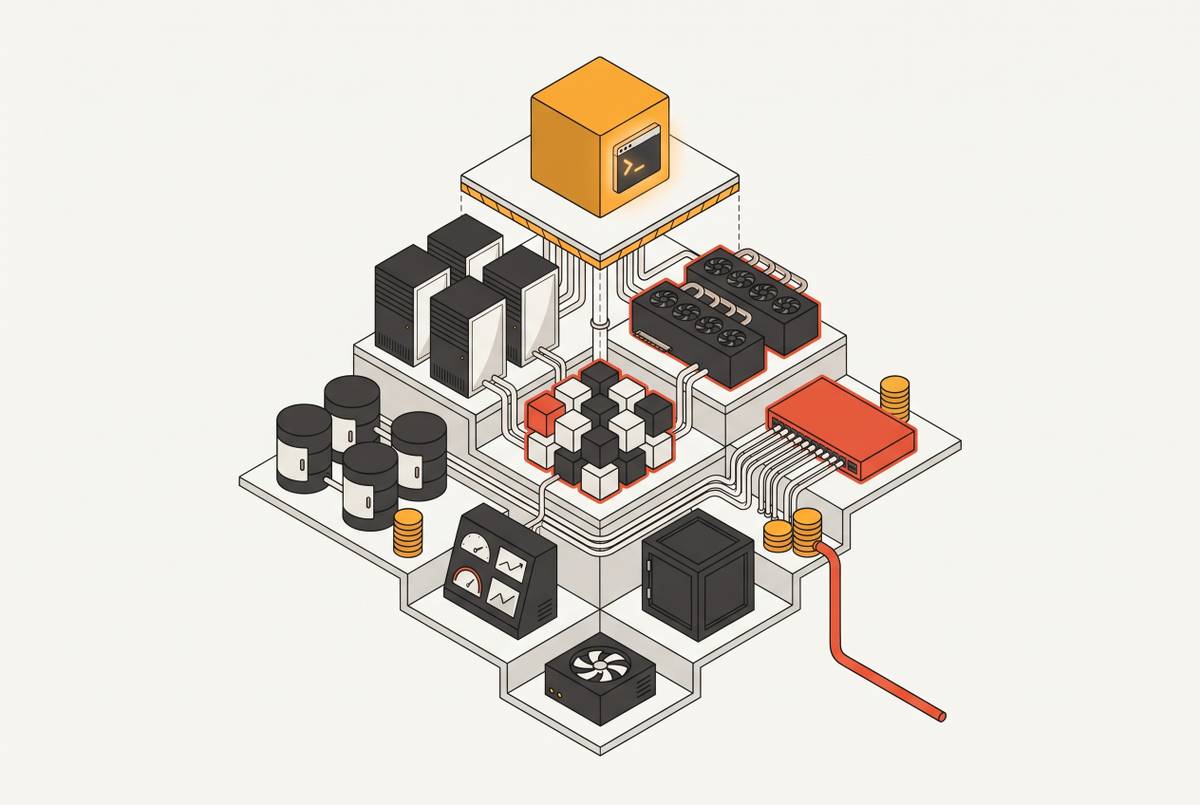
Hardware is the visible cost, while isolation, secrets, and observability drive the real bill.
Daisuke Mori
Section
17 stories in Cloud Agent Pricing.
Hardware is the visible cost, while isolation, secrets, and observability drive the real bill.
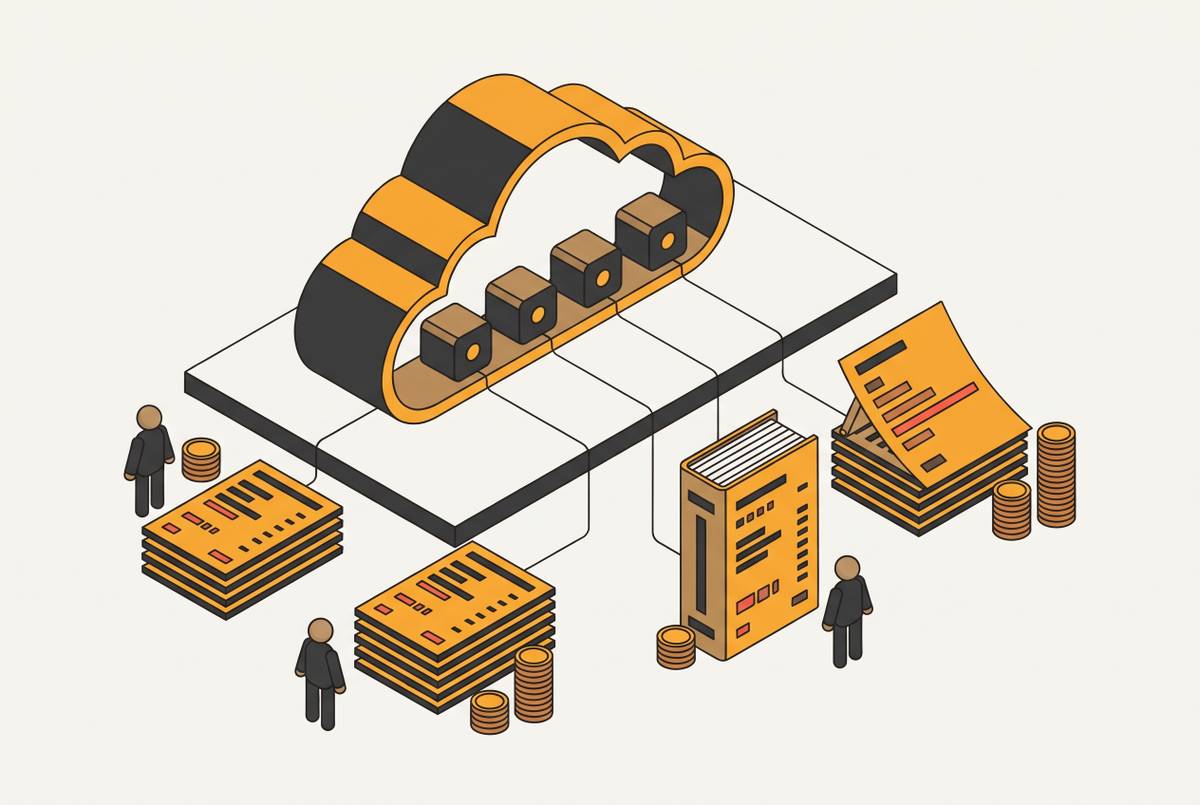
Managed agent runners bill for the model and the machine separately.
Model access is cheap; running the agents safely is where the money goes.
Agent costs fit tooling, infrastructure, and capacity budget lines.
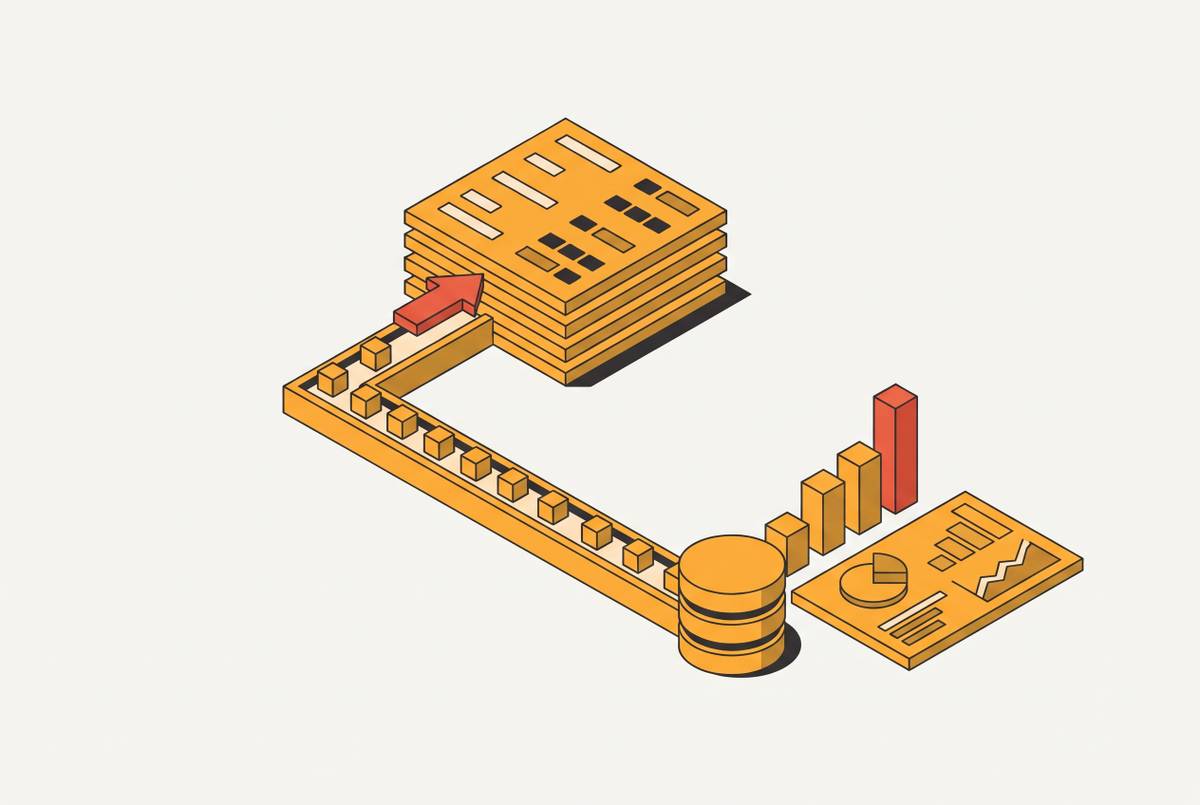
Owning per-run cost records lets teams govern agent spend across vendors.
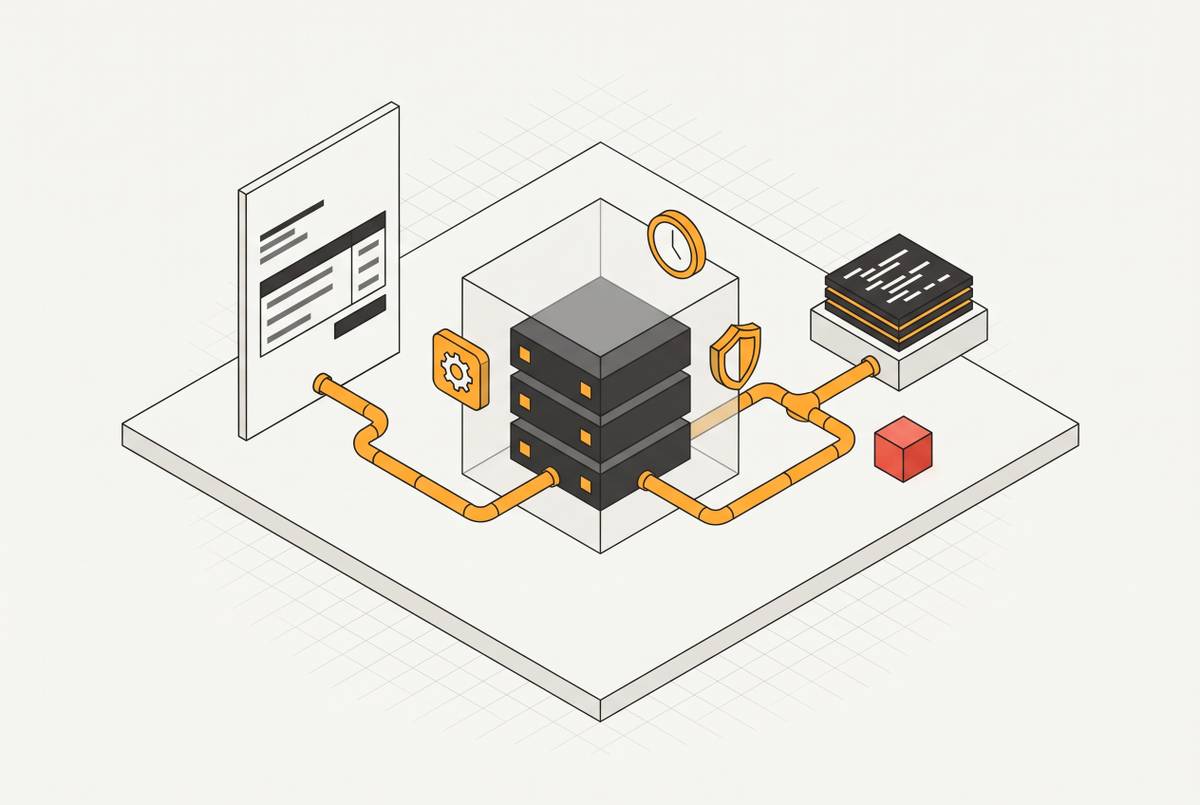
Teams need isolated execution environments linked to task identities to accurately bill agent work.
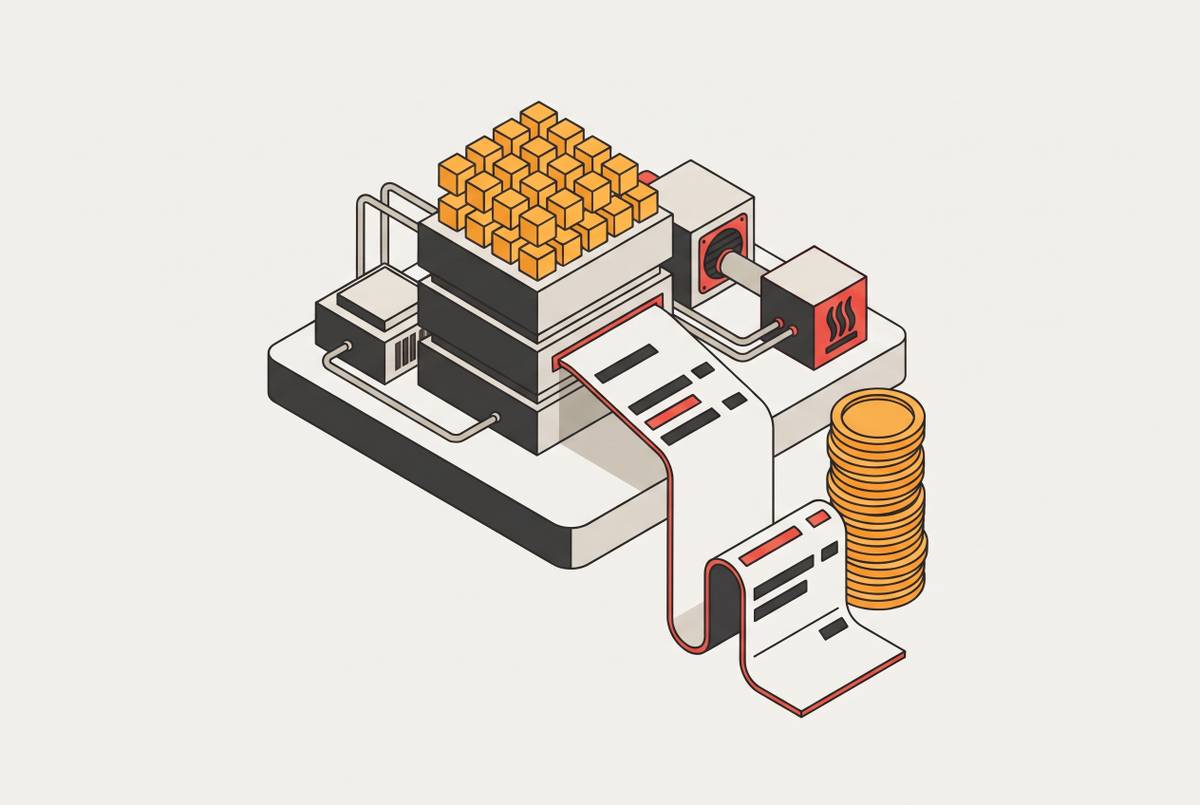
Run ledgers link each agent task to its engineer, cost, and authorization.
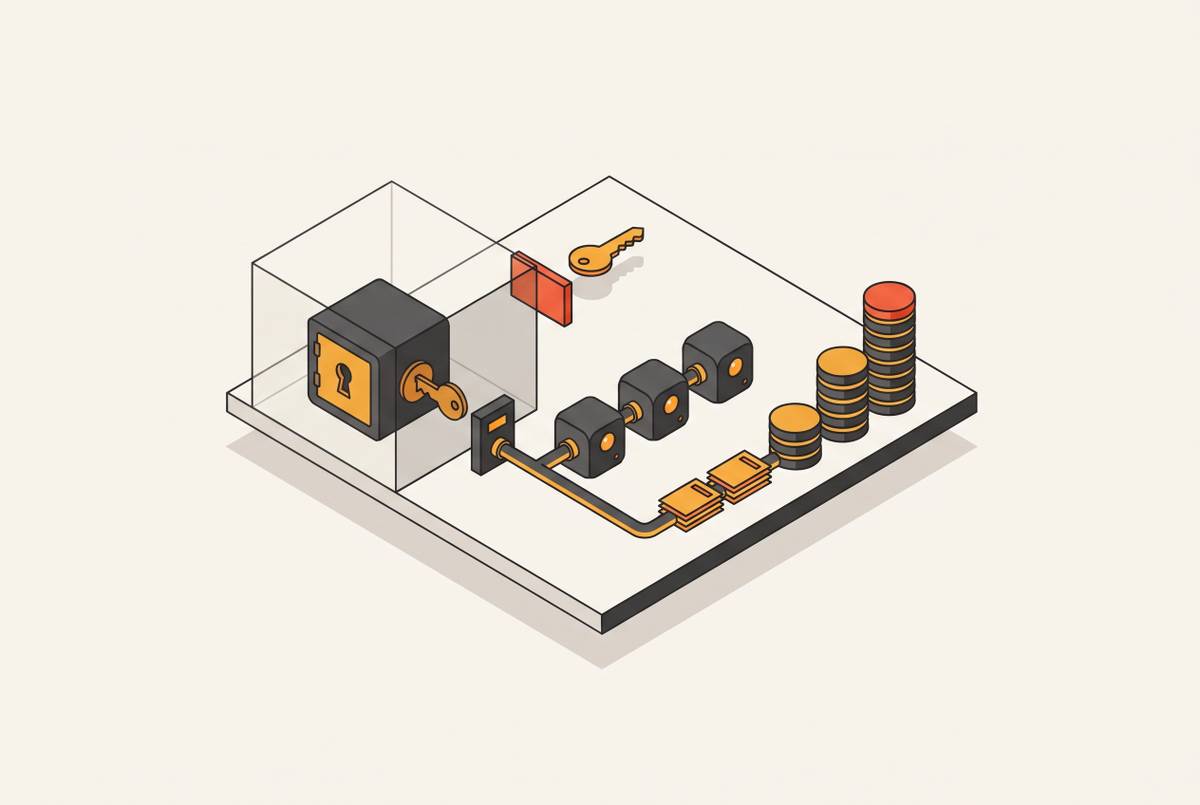
Direct billing controls spend only when keys and sandboxes are designed together.
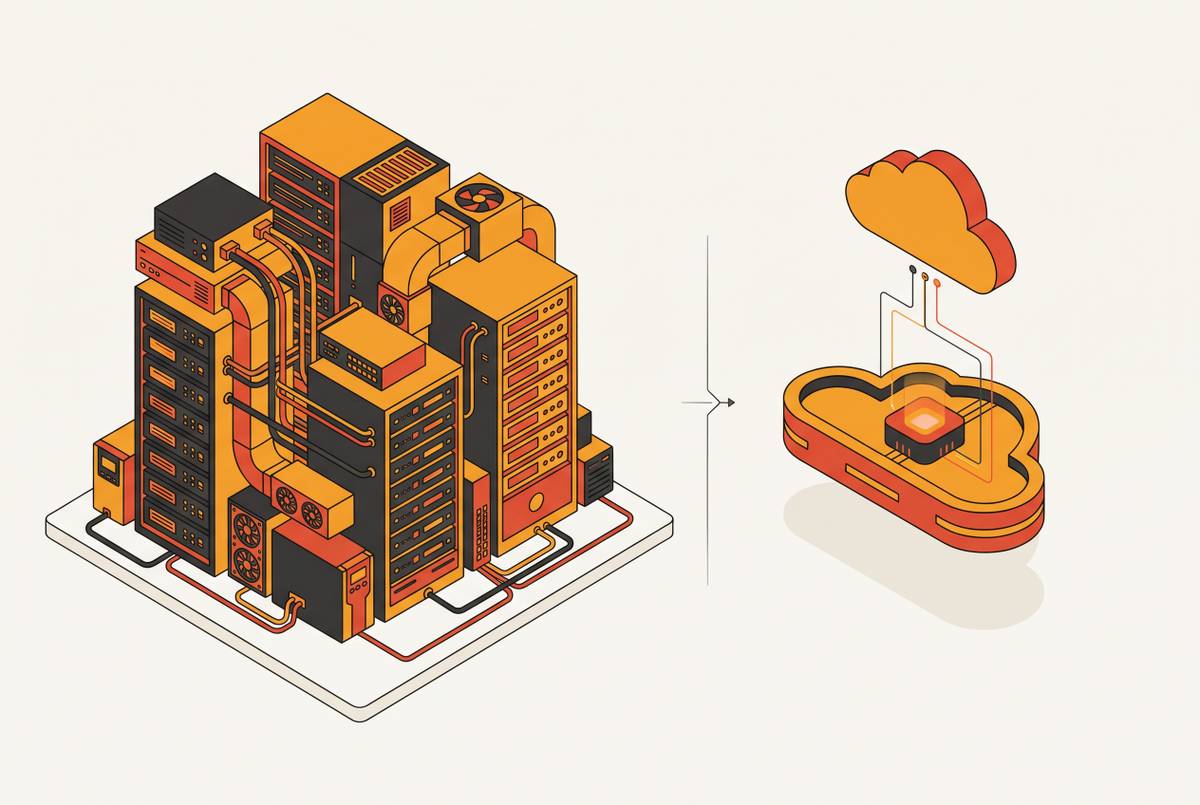
Staffing and isolation costs often outweigh self-hosting's apparent price advantage.
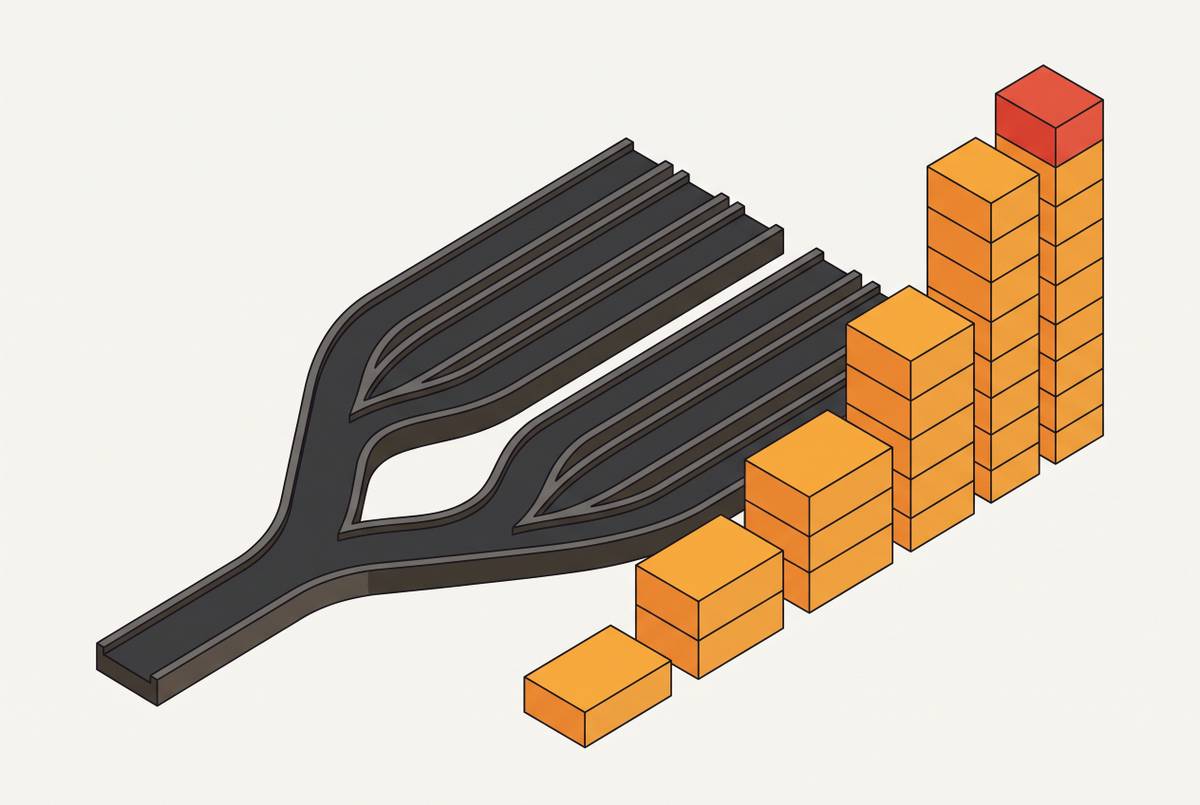
Adding parallel agents multiplies token costs without multiplying useful output.
Teams can't evaluate AI coding agents on free tiers designed for individuals.
Harness choice, not just model selection, drives most of your cloud agent bill.
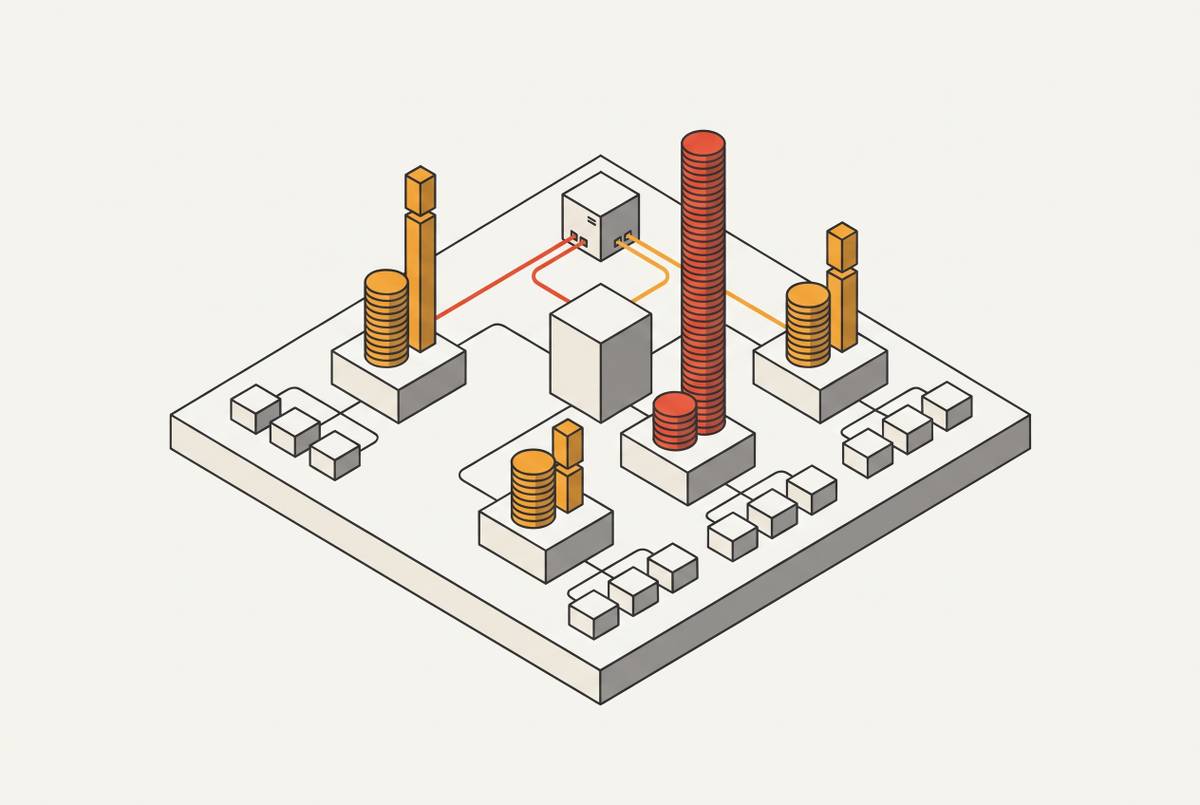
Model token cost grows quadratically in agent runs while compute grows linearly.
Agentic workloads shatter the predictability that made AI tools easy to budget.
Team plans add governance and shared infrastructure that individual accounts cannot replicate.
Cost structure choice determines how agent spending scales as your team grows.
Different harnesses and models drive wildly different costs to ship the same code.