Free Tier Limits That Block Real Engineering Workflows
Teams can't evaluate AI coding agents on free tiers designed for individuals.
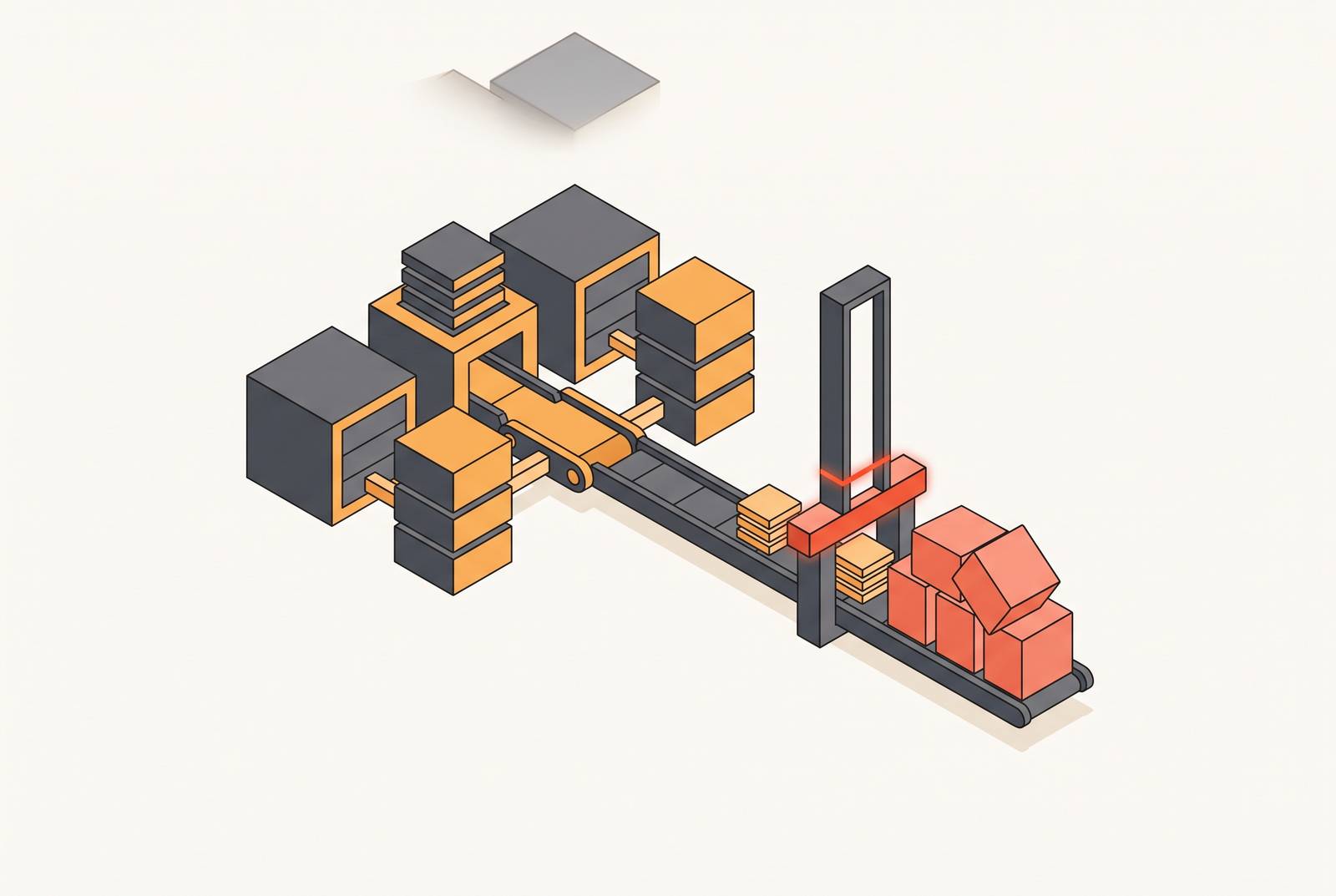
Free tier limits that block real engineering workflows constrain both access to a coding model and sustained delegation. Free tiers usually let one person try a tool, while teams need enough quota, parallel execution, and environments they can rely on. A bring-your-own API key cloud coding agent runner separates the model credential from the execution infrastructure, but teams still need to evaluate costs, isolation, and completed work.
Why free tiers for AI coding agents are structured the way they are
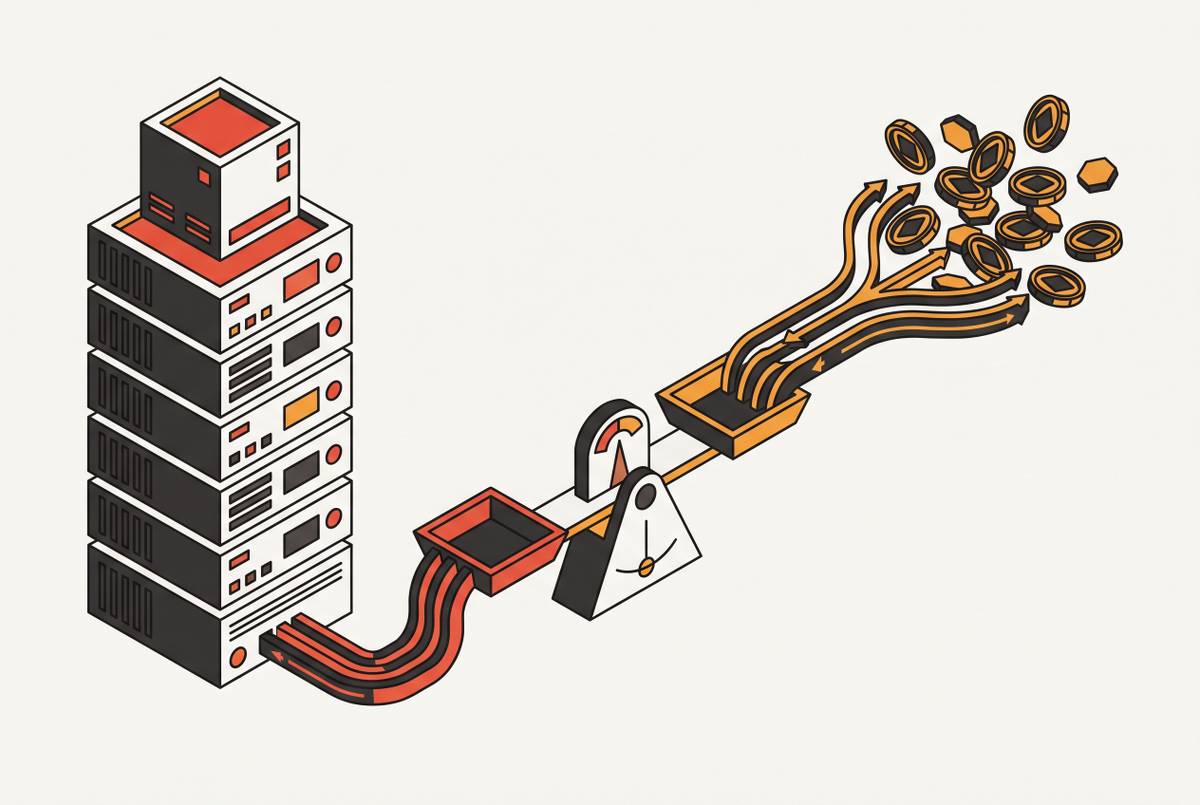
An agent consumes compute differently from an autocomplete tool. A completion fires once, while an agent reads files, plans changes, runs commands, and iterates on the result. That repeated work explains why agentic usage is metered separately and more tightly than completions. Vendors use rate limits, session caps, and credits to cover the cost through paid plans.
Teams need more usage as the number of tasks and engineers grows. Seat licenses and spending on tokens add to the total cost, especially when teams use both inline assistance and autonomous work. Running agents in parallel also consumes quota proportionally faster than running one agent. An allowance that supports an individual trial can therefore become a hard ceiling under concurrent workloads. This is an intentional boundary in the commercial design, rather than evidence that the underlying tool cannot perform the work.
Where each major tool hits its ceiling on free or entry-level access
Claude Code has no free tier for agentic features. Terminal access, IDE integration, and autonomous coding need Pro or higher, while Claude’s Free plan has chat and other features outside Claude Code. Paid entry access also has limits, with a rolling burst window and a weekly ceiling across models. Anthropic doubled five-hour usage limits and dropped peak-hour throttling on May 6, 2026, following a new SpaceX compute partnership that increased capacity. That capacity change does not make Pro a volume plan, and sustained agentic volume belongs in the Max-tier evaluation.
OpenAI Codex provides a free entry point through ChatGPT, but the access surface matters. Free and Go users are limited to the desktop app, while CLI access with ChatGPT sign-in is available on Plus and higher tiers. OpenAI moved Codex from per-message counts to token-based usage on April 2, 2026. Its free allowance limits delegation to evaluation and occasional real work. Consequently, a successful small task does not establish how much sustained work the allowance will cover.
Cursor’s free plan includes limited agent and Chat requests, enough to evaluate its workflow but not to support daily development. As of October 12, 2026, Cursor uses Free, Plus, Premium, Super, and Ultra tiers with one weekly usage pool. The old Hobby, Pro, Pro+, Ultra, and Teams plans are labelled legacy. The relevant ceiling is therefore the current shared weekly allowance.
GitHub Copilot Free includes capped monthly completions and chat messages, plus limited agent access. Agent features draw from a capped AI Credits allowance on all plans, whereas completions are free on paid plans. Agent mode and the choice of premium models can use up credits even when completions are still available. GitHub transitioned monthly plans to token-based AI Credits billing on June 1, 2026, while annual Pro and Pro+ subscribers retained legacy premium request billing until their terms expired. Business and Enterprise promotional credits hid baseline costs from June through August 2026, with the actual baselines showing from September 1 onward.
Other product changes affect what a free evaluation means. Cognition acquired Windsurf in July 2025 and renamed it Devin Desktop in June 2026, with free usage governed by daily and weekly quotas. The individual free tier for Gemini Code Assist ended on June 18, 2026, and current access requires a paid Standard or Enterprise license. The open-source Gemini CLI is a separate product with free access up to a high daily request limit through a personal Google account. That terminal allowance should not be treated as free access to the agentic IDE tooling.
The three workflow moments where free tier limits cause the most damage
Reading an issue, editing a dozen files, running tests, and opening a PR take repeated calls to the model and tools. These are the tasks that justify delegation, but they also spend the most credits within a session. In Copilot, for example, a multi-file refactor or large-codebase context drains the agent credit pool faster. The interruption arrives before the task is complete.
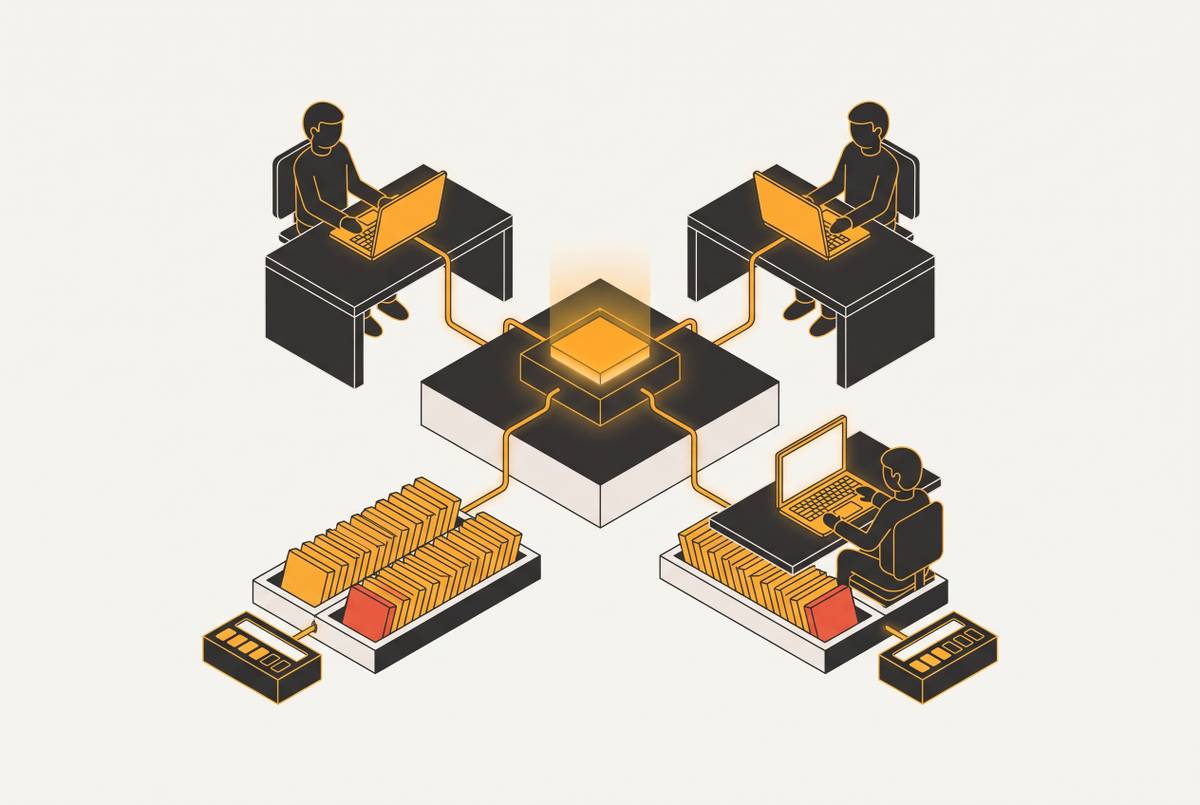
Teams normally have several engineers assigning several tasks across branches, so work needs to run in parallel. Anthropic’s agent documentation states that multiple agents running in parallel use quota proportionally faster than one agent. At free or entry-tier allowances, sustained concurrency becomes structurally unavailable. A trial that runs tasks one at a time misses a key part of what teams need.
Mid-session throttling can happen even on paid entry plans. Claude Code’s dual-layer usage system and Codex’s mid-stream 5-hour cuts can stop a trial during normal working hours. This makes the diagnosis important, because an interrupted run measures available access as well as agent capability. A team can mistake a tier limit for a tool limit and reject a capable agent for the wrong reason. Paying for entry access does not, by itself, remove that ambiguity.
What open-source and BYOK tools offer — and where they still fall short for teams
Open-source and bring-your-own-key tools give teams a way around a vendor’s client-level credit ceiling. Cline is an Apache 2.0 client for VS Code, JetBrains, and CLI use, with model costs paid through the connected key. It provides approval-by-approval control over file edits and terminal commands. The Cline API falls outside the scope of its rotating promotional model quotas, which are limited to the IDE extension and CLI.
Aider takes a terminal-first, git-native approach and commits each change as it goes. Its client is free, with no vendor cap on the client, but spending depends on the selected model and task volume. OpenCode supports 75+ providers and local models across terminal, desktop, and IDE use. Its Plan mode disables edits, Build mode performs work, and /undo reverses the last message and its file changes, with repeated use available.
The shared tradeoff is that portability does not guarantee lower total cost. Long context, repeated tool loops, and output-heavy models can lead to a large API bill even when the client is free. Local models shift the expense toward hardware and maintenance, require at least 32GB of RAM to run well, and introduce quality and latency tradeoffs. At team scale, access control, credential management, budget visibility, and policy enforcement also remain the team’s responsibility. Teams that rotate personal API keys still have that responsibility and need a way to manage the work.
Why the sandbox environment matters as much as the credit ceiling
Quota is only useful if the agent can execute the task. Real engineering work may need to install packages, run services, use a browser, and check changes. An environment that is restricted or shared can block those steps even when credits are left. When that happens, the model may seem to have done a poor job even though it never had the environment it needed to do the work. The sandbox is therefore a first-class constraint in an evaluation.
OpenAI’s Codex cloud documentation makes the security boundaries explicit. Internet access is blocked by default during the agent phase, although setup scripts have internet access for dependency installation. Outbound traffic goes through an HTTP/HTTPS proxy. Secrets are stored with an additional layer of encryption, made available only to setup scripts, and removed before the agent phase starts. These controls define what a task can do during execution, so a workflow that needs those capabilities later must be evaluated against that boundary.
An agent may change files, install dependencies, and start services over many turns, so memory and writable state may stay in use after the CPU becomes idle. An environment that fails to preserve that state can break a multi-step task independently of the remaining token budget. Shared execution can also put security and reliability at risk. Each run needs its own filesystem, process space, and network so that isolation supports the work rather than depending on the agent behaving as a single interactive user.
How to evaluate whether a free tier gives you real signal or just a demo
Start with the smallest realistic version of the task the team intends to delegate. A single-file completion does not test a multi-file refactor that must pass tests before review. Generosity is secondary to whether the allowance covers that representative task.
Before starting, look at the credit allowance, execution environment, and concurrency rules together. Establish whether the agent can install packages, run tests, and preserve state throughout the task. Then check the quota’s scope, per run or per account, since concurrent tasks may draw down the same pool. Record whether an interruption came from the allowance, an environment restriction, or the agent’s inability to finish. This separates structural access limits from tool performance.
Cost visibility is another part of that distinction. Shared quota pools make it harder to establish what an individual task costs and whether its economics justify team-wide use. For evaluations that need task-level accounting, Replicas runs each agent task in its own isolated VM with full per-minute attribution. That makes execution cost visible rather than leaving the team to infer it from an opaque shared allowance. The relevant comparison includes both model spend and the environment needed to complete the work.
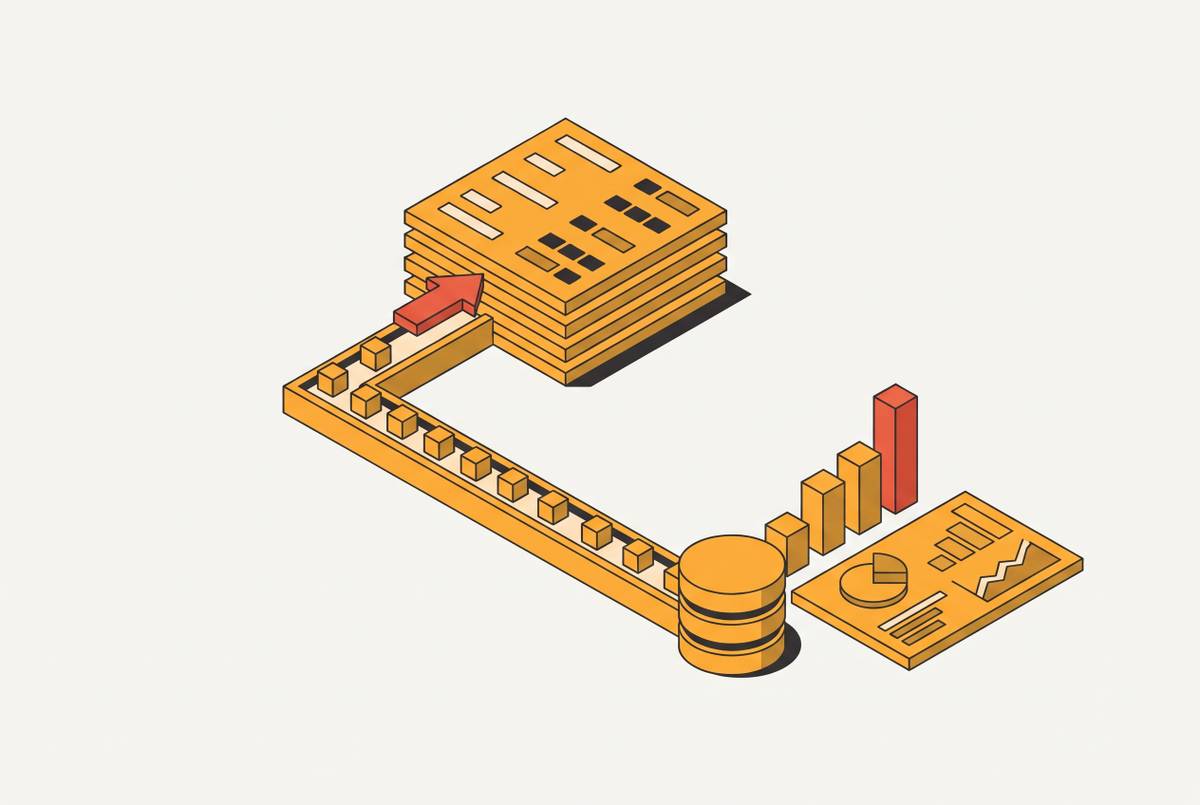
Finally, measure throughput using cycle time from issue to merged PR, change-failure rate, and how much review work falls to senior engineers. These metrics show whether delegation produces usable changes and how much work remains with the team. Lines of AI-generated code and prompt counts do not answer that question. A demo establishes that the agent can produce an output without establishing those conditions.
How do teams run Claude Code or Codex in the cloud without managing their own infrastructure
The move to cloud agents changes the unit of work from an interactive session to a delegated task. A paid allowance can relieve credit pressure without resolving shared environments, credential sprawl, or workflow integration. Team operation instead requires isolated, fully configured environments with the dependencies and filesystem state each task needs. Those environments allow parallel execution without sharing task state, although model quota remains a separate constraint.
Replicas is one cloud platform option for running Claude Code, Codex, Cursor, and Opencode in isolated VMs pre-loaded with team dependencies and tooling. Tasks can start from Slack, Linear, GitHub, or GitLab and return a pull request or recording. This differs from an IDE-first trial because it evaluates delegation through the systems where team work already arrives. It also separates the agent harness from the execution platform. That separation matters when a team wants to change agents without rebuilding its infrastructure around a single choice.
Attribution completes the operating model. Each run should be attributable to a source, harness, model, and credential, with visibility into both what was generated and what shipped. Replicas provides analytics down to the agent run, making that level of inspection part of the platform comparison. A free tier gives real signal only when it lets the team test the conditions under which useful work will actually be completed.